
From Diagnosis to Treatment and Care: Understanding Mesothelioma
FRIDAY, Jan. 23, 2026 (HealthDay News) — Mesothelioma is a rare type of cancer, most often caused by exposure to asbestos, according to the U.S. Centers for Disease Control and Prevention (CDC). Mesothelioma develops in the thin tissue surrounding the lungs and other internal organs.
What are the symptoms of mesothelioma?
Mesothelioma usually occurs in the tissue surrounding the lungs, called the pleura, according to the American Lung Association. It can also develop in the lining of the abdomen, and less frequently, in the lining of the heart or in the testicles.
Symptoms may not occur until the cancer is more advanced and may depend on where the tumor is located; however, most people with mesothelioma will experience fatigue, fever and weight loss.
Mesothelioma in the tissue surrounding the lungs often causes:
Shortness of breath
Persistent cough
Chest pain under the rib cage
Night sweats
Lumps under the skin on one’s chest
Difficulty swallowing or the feeling of having something stuck in the throat
Mesothelioma in the tissue surrounding the abdomen, or stomach, may cause swelling and pain, constipation, nausea, vomiting and small bowel obstruction, according to the CDC.
Mesothelioma in the tissue surrounding the heart may cause difficulty breathing and chest pains, according to the Mayo Clinic. Mesothelioma surrounding the testicles may first appear as swelling or a mass.
How is mesothelioma diagnosed?
Over the past 10 years, the U.S. has averaged 3,100 new cases of mesothelioma a year, according to the Lung Association. The rate has declined since the 1990s, most likely due to a reduction in asbestos exposure in the workplace, according to the CDC.
However, if you have been exposed to asbestos at work, at home or elsewhere, have been diagnosed with frequent bouts of pneumonia, or are experiencing symptoms associated with mesothelioma, consult your health care provider.
There are four steps to a mesothelioma diagnosis, according to the Lung Association:
A physical examination. Your health care provider will ask questions about your medical and job history and conduct a physical examination to check for lumps under the skin. Your provider may also order a chest X-ray or CT scan to check if there is fluid between your lung and chest wall (the bones and tissue that protect your heart and lungs), called pleural effusion.
Assessing fluid between the lung and chest wall. If pleural fluid is found, your provider will take a sample of the fluid, using a small needle guided by ultrasound imaging. While assessment of the pleural fluid is not typically enough to confirm a mesothelioma diagnosis, it will help rule out other potential causes of fluid buildup.
A biopsy. If another cause of the fluid is not identified, the next step in the diagnosis process is a biopsy. In a biopsy, a small tissue sample is obtained from the chest wall, with guidance from CT or ultrasound imaging, or with the use of a small camera introduced between the lung and the chest wall. The latter requires general anesthesia, which puts you in a deep sleep.
Further assessments. After a mesothelioma diagnosis, your provider may require additional tests to determine how far the cancer has progressed. This is known as staging. This may include additional chest imaging, such a CT, MRI or positron-emission tomography (PET) scan.
Four stages are used to reflect the progression of mesothelioma, ranging from the least advanced (Stage 1) to most advanced (Stage 4), in which the cancer has spread to other areas of the body.
How is mesothelioma treated?
If you are newly diagnosed with mesothelioma, it is important that you learn all you can about the disease and your treatment options. In general, how your mesothelioma is treated will depend on the specifics of your cancer, such as its stage, location, genetic make-up and your overall health. Your treatment plan may include:
Surgery. If caught early, you may be able to have surgery to remove all or part of the mesothelioma. If it is not possible to completely remove the cancer, surgery can help reduce symptoms such as difficulty breathing caused by fluid buildup in the chest wall.
Chemotherapy. Chemotherapy can also help reduce symptoms of mesothelioma. Chemotherapy delivers cancer-fighting drugs into the body to help shrink and slow mesothelioma growth.
Targeted or personalized therapies. These include drugs that treat a patient’s specific type of cancer as determined through genetic (biomarker) testing and may include immunotherapy, which uses your own immune system to attack the cancer cells.
Radiation therapy may also be used to kill cancer cells in certain areas of the body, or to help relieve symptoms and improve quality of life.
Participating in a clinical trial, which is a regulated research study investigating new and better ways to treat diseases.
Although there are new and improved treatments for mesothelioma, the disease is an aggressive and potentially fatal form of cancer.
What causes mesothelioma?
Exposure to asbestos causes most cases of mesothelioma, according to the CDC. Mesothelioma, like all cancers, starts when cells grow out of control and spread to other parts of the body, according to the National Cancer Institute (NCI).
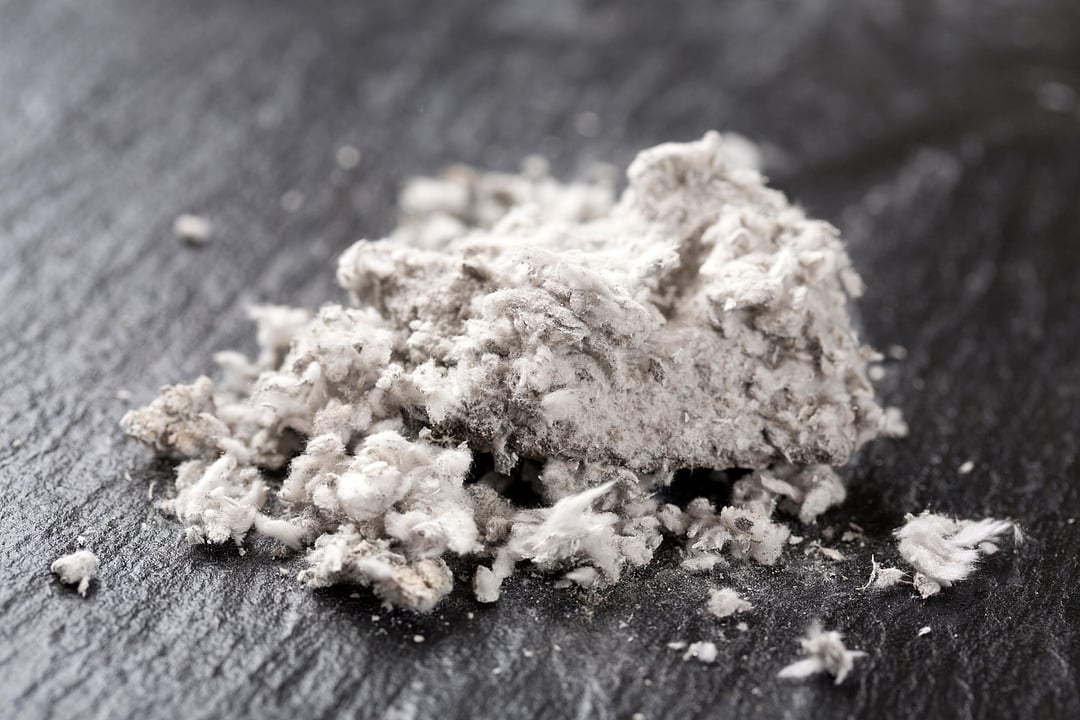
Asbestos is a mineral found in rocks and soil, according to the U.S. Environmental Protection Agency (EPA). Because it's strong, insoluble and heat-resistant, asbestos was used for many years in automobile parts and building construction materials, including insulation, roofing, shingles, ceiling and floor tiles, pipes, and textured paint and patching. While the EPA banned most asbestos-containing products by 1989, asbestos can still be found in older schools, homes and workplaces.
Undisturbed and undamaged asbestos materials are unlikely to pose a health risk, according to the EPA. However, during work or demolition, asbestos often becomes airborne, releasing very small fibers — too small to see — into the air.
This can cause inflammation and irritation in the lungs, increasing the risk for lung disease and cancer, according to the CDC. Smoking can worsen this risk, according to NCI.
In general, the higher the level of asbestos exposure, the greater the risk of developing lung cancer, mesothelioma or a non-cancerous lung disease. Most people exposed to asbestos will not develop lung cancer or mesothelioma.
Who is at risk for mesothelioma?
Certain jobs result in a higher risk of asbestos exposure, according to the Lung Association. These include:
Aircraft and auto mechanics
Boiler workers
Construction workers
Firefighters
HVAC workers
Shipyard workers
Industrial workers
Insulators
Machine operators
Machinists
Mine workers
Oil refinery workers
Ship crew members
School personnel, including teachers
Textile workers
Living with mesothelioma
If you are living with mesothelioma, there are steps that you and your health care team can take to help alleviate your symptoms and improve your quality of life.
This includes working with your health care provider to address shortness of breath, pain and other common symptoms.
In addition, a palliative care specialist, who can help minimize the emotional and physical effects of your diagnosis based on your individual needs, should become part of your health care team shortly after diagnosis.
It’s also important for you and your caregivers to have support. You can call the Lung Association’s Lung HelpLine at 800-LUNGUSA to talk with a trained respiratory professional who can help answer your questions and connect you with additional support.
For more information, visit Lung.org/mesothelioma.
About the expert
Dr. David Hill is a member of the Lung Association's National Board of Directors and is the immediate past chair of the Northeast Regional Board of the American Lung Association. He serves on the Leadership Board of the American Lung Association in Connecticut and is a former chair of that board. He is a practicing pulmonary and critical care physician with Waterbury Pulmonary Associates and serves as their director of clinical research. He is an assistant clinical professor of medicine at the Yale University School of Medicine, an assistant clinical professor at the Frank Netter School of Medicine at Quinnipiac University, and a clinical instructor at the University of Connecticut School of Medicine.
By David Hill, MD, Chair, Board of Directors, American Lung Association HealthDay ReporterCopyright © 2026 HealthDay. All rights reserved.