Elevated temperature; Hyperthermia; Pyrexia; Febrile DefinitionFever is the temporary increase in the body's temperature in response to a disease or illness. A child has a fever when the temperature is at or above one of these levels:
An adult probably has a fever when the temperature measured in the mouth is above 99°F to 99.5°F (37.2°C to 37.5°C), depending on the time of day. ConsiderationsNormal body temperature may change during any given day. It is usually highest in the evening. Other factors that may affect body temperature are:
Fever is an important part of the body's defense against infection. Most bacteria and viruses that cause infections in people thrive best at 98.6°F (37°C). Many infants and children develop high fevers with mild viral illnesses. Although a fever signals that a battle might be going on in the body, the fever is fighting for, not against the person. Brain damage from a fever generally will not occur unless the fever is over 107.6°F (42°C). Untreated fevers caused by infection will seldom go over 105°F (40.6°C) unless the child is overdressed or in a hot place. Febrile seizures do occur in some children. Most febrile seizures are over quickly and do not mean your child has epilepsy. These seizures also do not cause any permanent harm. Unexplained fevers that continue for days or weeks are called fevers of undetermined origin (FUO). CausesAlmost any infection can cause a fever, including:
Children and adults may have a low-grade fever for 1 or 2 days after some immunizations. Teething may cause a slight increase in a child's temperature, but not higher than 100°F (37.8°C). Autoimmune or inflammatory disorders may also cause fevers. Some examples are:
The first symptom of a cancer may be a fever. This is particularly true of Hodgkin disease, non-Hodgkin lymphoma, and leukemia. Other possible causes of fever include:
Home CareA simple cold or other viral infection can sometimes cause a high fever (102°F to 104°F or 38.9°C to 40°C). This does not mean you or your child has a serious problem. Some serious infections don't cause a fever or can cause a very low body temperature, most often in infants. If the fever is mild and you have no other problems, you do not need treatment. Drink fluids and rest. The illness is probably not serious if your child:
Take steps to lower a fever if you or your child is uncomfortable, vomiting, dried out (dehydrated), or not sleeping well. Remember, the goal is to lower, not eliminate, the fever. When trying to lower a fever:
Here are some guidelines for taking medicine to lower a fever:
Eating and drinking:
When to Contact a Medical ProfessionalContact your child's provider right away if your child:
Contact your provider right away if you are an adult and you:
Call 911 or the local emergency number if you or your child has a fever and:
What to Expect at Your Office VisitYour provider will perform a physical exam. This may include a detailed examination of the skin, eyes, ears, nose, throat, neck, chest, and abdomen to look for the cause of the fever. Treatment depends on the duration and cause of the fever, as well as other symptoms. The following tests may be performed:
ReferencesMelia MT. Approach to fever or suspected infection in the normal host. In: Goldman L, Cooney KA, eds. Goldman-Cecil Medicine. 27th ed. Philadelphia, PA: Elsevier; 2024:chap 259. Nield LS, Kamat D. Fever. In: Kliegman RM, St. Geme JW, Blum NJ, eds. Nelson Textbook of Pediatrics. 22nd ed. Philadelphia, PA: Elsevier; 2025:chap 219. | ||
| ||
Review Date: 7/31/2024 Reviewed By: Charles I. Schwartz, MD, FAAP, Clinical Assistant Professor of Pediatrics, Perelman School of Medicine at the University of Pennsylvania, General Pediatrician at PennCare for Kids, Phoenixville, PA. Also reviewed by David C. Dugdale, MD, Medical Director, Brenda Conaway, Editorial Director, and the A.D.A.M. Editorial team. View References
The information provided herein should not be used during any medical emergency or for the diagnosis or treatment of any medical condition. A licensed medical professional should be consulted for diagnosis and treatment of any and all medical conditions. Links to other sites are provided for information only -- they do not constitute endorsements of those other sites. No warranty of any kind, either expressed or implied, is made as to the accuracy, reliability, timeliness, or correctness of any translations made by a third-party service of the information provided herein into any other language. All content on this site including text, images, graphics, audio, video, data, metadata, and compilations is protected by copyright and other intellectual property laws. You may view the content for personal, noncommercial use. Any other use requires prior written consent from Ebix. You may not copy, reproduce, distribute, transmit, display, publish, reverse-engineer, adapt, modify, store beyond ordinary browser caching, index, mine, scrape, or create derivative works from this content. You may not use automated tools to access or extract content, including to create embeddings, vectors, datasets, or indexes for retrieval systems. Use of any content for training, fine-tuning, calibrating, testing, evaluating, or improving AI systems of any kind is prohibited without express written consent. This includes large language models, machine learning models, neural networks, generative systems, retrieval-augmented systems, and any software that ingests content to produce outputs. Any unauthorized use of the content including AI-related use is a violation of our rights and may result in legal action, damages, and statutory penalties to the fullest extent permitted by law. Ebix reserves the right to enforce its rights through legal, technological, and contractual measures. | ||
| ||


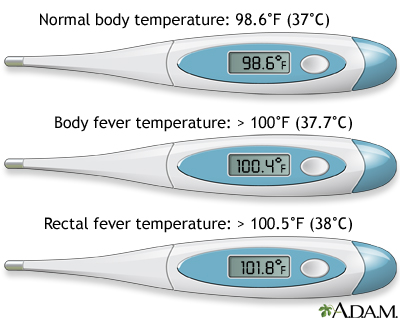 Thermometer temper...
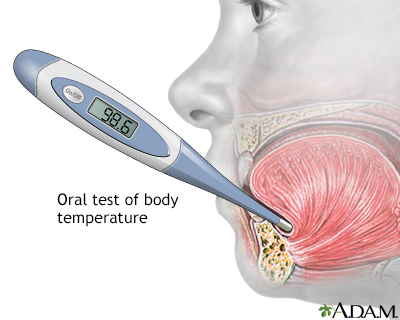 Temperature measur...


