Upper respiratory infection - viral; Cold DefinitionThe common cold most often causes a runny nose, nasal congestion, and sneezing. You may also have a sore throat, cough, headache, or other symptoms. CausesIt is called the common cold for good reason. There are over one billion colds in the United States each year. You and your children will probably have more colds than any other type of illness. Colds are the most common reason that children miss school and parents miss work. Parents often get colds from their children. Children can get many colds every year. They usually get them from other children. A cold can spread quickly through schools or daycares. Colds can occur at any time of the year, but they are most common in the winter or rainy seasons. A cold virus spreads through tiny, air droplets that are released when the sick person sneezes, coughs, or blows their nose. You can catch a cold if:
People are most contagious for the first 2 to 3 days of a cold. A cold is most often not contagious after the first week. SymptomsCold symptoms usually start about 2 or 3 days after you came in contact with the virus, although it could take up to a week. Symptoms mostly affect the nose. The most common cold symptoms are:
Adults and older children with colds generally have a low fever or no fever. Young children often run a fever around 100°F to 102°F (37.7°C to 38.8°C). Depending on which virus caused your cold, you may also have:
Mild symptoms of COVID-19 may be similar to those of the common cold. Always check with your provider if you are at risk for COVID-19. TreatmentMost colds go away in a few days. Some things you can do to take care of yourself with a cold include:
Outlook (Prognosis)The fluid from your runny nose will become thicker over time. It may turn yellow or green within a few days. This is normal, and not a reason for antibiotics. Most cold symptoms go away within a week in most cases. If you still feel sick after 7 days, consult with your provider. Your provider may check you for a sinus infection, allergies, or other medical problem. Possible ComplicationsColds are the most common trigger of wheezing in children with asthma. A cold may also lead to: When to Contact a Medical ProfessionalTry treating your cold at home first. Contact your provider if:
PreventionTo lower your chances of getting sick:
The immune system helps your body fight off infection. Here are ways to support the immune system:
ReferencesBarrett B. Acute respiratory infection cold and flu. In: Rakel D, Minichiello VJ, eds. Integrative Medicine. 5th ed. Philadelphia, PA: Elsevier; 2023:chap 19. Barrett B. The common cold. In: Goldman L, Cooney KA, eds. Goldman-Cecil Medicine. 27th ed. Philadelphia, PA: Elsevier; 2024:chap 329. Centers for Disease Control and Prevention website. Rhinoviruses. About rhinoviruses. www.cdc.gov/rhinoviruses/about/. Updated April 24, 2024. Accessed January 2, 2025. Richardson KM, Schuster JE. The common cold. In: Kliegman RM, St. Geme JW, Blum NJ, et al, eds. Nelson Textbook of Pediatrics. 22nd ed. Philadelphia, PA: Elsevier;2025:chap 428. | ||
| ||
Review Date: 1/1/2025 Reviewed By: Linda J. Vorvick, MD, Clinical Professor Emeritus, Department of Family Medicine, UW Medicine, School of Medicine, University of Washington, Seattle, WA. Also reviewed by David C. Dugdale, MD, Medical Director, Brenda Conaway, Editorial Director, and the A.D.A.M. Editorial team. View References
The information provided herein should not be used during any medical emergency or for the diagnosis or treatment of any medical condition. A licensed medical professional should be consulted for diagnosis and treatment of any and all medical conditions. Links to other sites are provided for information only -- they do not constitute endorsements of those other sites. No warranty of any kind, either expressed or implied, is made as to the accuracy, reliability, timeliness, or correctness of any translations made by a third-party service of the information provided herein into any other language. All content on this site including text, images, graphics, audio, video, data, metadata, and compilations is protected by copyright and other intellectual property laws. You may view the content for personal, noncommercial use. Any other use requires prior written consent from Ebix. You may not copy, reproduce, distribute, transmit, display, publish, reverse-engineer, adapt, modify, store beyond ordinary browser caching, index, mine, scrape, or create derivative works from this content. You may not use automated tools to access or extract content, including to create embeddings, vectors, datasets, or indexes for retrieval systems. Use of any content for training, fine-tuning, calibrating, testing, evaluating, or improving AI systems of any kind is prohibited without express written consent. This includes large language models, machine learning models, neural networks, generative systems, retrieval-augmented systems, and any software that ingests content to produce outputs. Any unauthorized use of the content including AI-related use is a violation of our rights and may result in legal action, damages, and statutory penalties to the fullest extent permitted by law. Ebix reserves the right to enforce its rights through legal, technological, and contractual measures. | ||
| ||


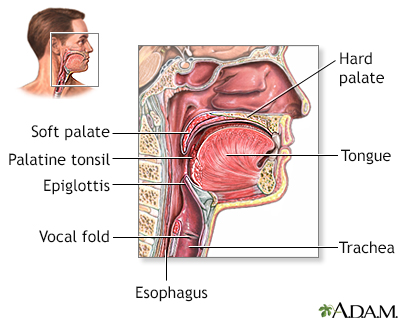 Throat anatomy
 Cold symptoms
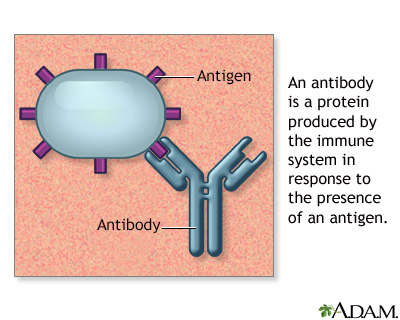 Antibodies
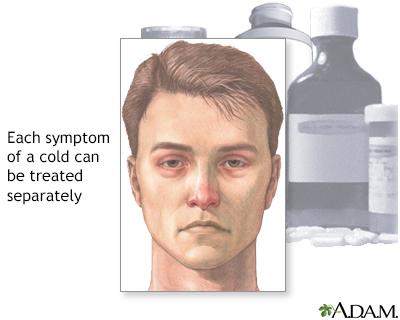 Cold remedies


