


Prostate biopsy
Introduction
The purpose of this tool is to help you decide whether or not to have a prostate biopsy. When making a decision like this, you must balance:
- The reasons for having the test
- The potential health risks, drawbacks, or limitations of the procedure
- Whether there are alternative procedures that may be more appropriate
- Cost
This tool is not a substitute for professional medical care and advice. Work with your doctor to help you make this decision. A second opinion from another doctor may be valuable. There is usually no exact “right” or “wrong” answer.
Your physician may make certain recommendations to you. However, the final decision about whether to have this test rests with you.
What is the test?
A biopsy is the removal of a small piece of tissue. The tissue is examined with a microscope or in chemicals to help the doctor make a diagnosis.
Biopsies can confirm if you have prostate cancer. A biopsy is typically done after other tests show that you may have cancer.
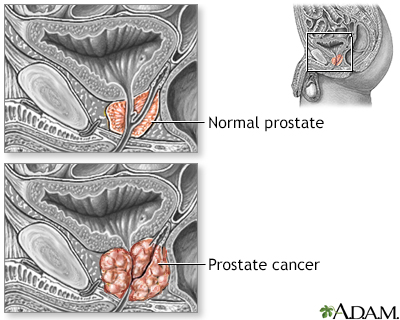
Prostate cancer is a tumor that occurs in the prostate gland. As with any cancer, if it is advanced or left untreated in early stages, it can eventually spread through the blood and lymph fluid to other organs.
Prostate cancer, however, tends to be slow growing compared to other cancers. Prostate cancer often grows so slowly that many men with the disease die from other causes, not their cancer.
Key points
- Usually, your doctor will suggest a biopsy because of an abnormal prostate specific antigen (PSA) blood test or the way your prostate feels during a digital rectal exam.
- A biopsy is the only test that definitively finds prostate cancer.
- A prostate biopsy is an outpatient procedure, usually done in the doctor’s office.
- An ultrasound is usually used in a prostate biopsy for identifying the area of the prostate to take samples from.
- Most people need only local anesthesia when they have a prostate biopsy.
- The most common risks of a prostate biopsy are discomfort, blood in the urine or stool, trouble urinating, and infection. These potential problems usually resolve quickly on their own.
How much time this decision tool will take
5 - 10 minutes
What this tool will provide
- A personalized list of factors for you to weigh
- Questions to ask your doctor
- Alternatives to this test
- Recommended reading
|
Review Date:
9/19/2010 Reviewed By: David C. Dugdale, III, MD, Professor of Medicine, Division of General Medicine, Department of Medicine, University of Washington School of Medicine. Also reviewed by David Zieve, MD, MHA, Medical Director, A.D.A.M., Inc. |
- Damber JE, Aus G. Prostate cancer. Lancet. 2008 May 17;371(9625):1710-21. Review.
- De Sio M, D'Armiento M, Di Lorenzo G, et al. The need to reduce patient discomfort during transrectal ultrasonography-guided prostate biopsy: what do we know? BJU International. 2005;96(7):977-983.
- Djavan B, Milani S, and Remzi M. Prostate biopsy: who, how and when. An update. Canadian Journal of Urology. 2005;12(supp 1):44-48.
- Fink KG, Gnad A, Meissner P, Gotschl R, amd Schmeller NT. Lidocaine suppositories for prostate biopsy. BJU International. 2005;96(7):1028-1030.
- Presti JC Jr. Prostate biopsy strategies. Nat Clin Pract Urol. 2007 Sep;4(9):505-11. Review.
- Thompson IM, Ankerst DP. Prostate-specific antigen in the early detection of prostate cancer. CMAJ. 2007 Jun 19;176(13):1853-8. Review.
© 1997- A.D.A.M., a business unit of Ebix, Inc. Any duplication or distribution of the information contained herein is strictly prohibited.
 All rights reserved.