


ECG
Introduction
The purpose of this tool is to help you decide whether or not to have an electrocardiogram. When making a decision like this, you must balance:
- The reasons for having the test
- The potential health risks, drawbacks, or limitations of the procedure
- Whether there are alternative procedures that may be more appropriate
- Cost
This tool is not a substitute for professional medical care and advice. Work with your doctor to help you make this decision. A second opinion from another doctor may be valuable. There is usually no exact “right” or “wrong” answer.
Your physician may make certain recommendations to you. However, the final decision about whether to have this test rests with you.
What is the test?
An electrocardiogram (ECG or EKG) is a test that records the electrical activity of the heart.
ECG measures the rate and regularity of heartbeats as well as the size of the chambers, the presence of any damage to the heart, and the effects of drugs or devices used to regulate the heart (such as a pacemaker).
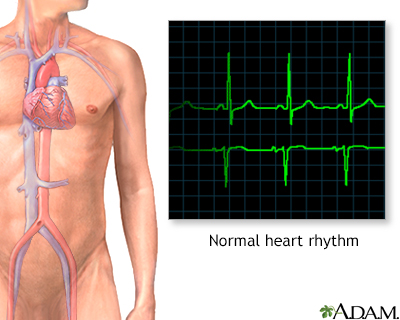
An ECG is very useful for determining if a person has heart disease. If a person has chest pain or palpitations, an ECG can help determine if the heart is beating normally. If a person is taking medications that may affect the heart or if the person has a pacemaker, an ECG can determine the immediate effects of changes in activity or medication levels. An ECG is not recommended as part of a routine examination except in special circumstances.

Key points
- The accuracy of the ECG varies with the condition being tested. Some heart conditions are not detectable all the time, while others may never produce any specific ECG changes.
- An ECG can help a doctor rapidly and accurately analyze a patient’s heart rate. ECG may help detect heart enlargement. The test can help a doctor diagnose a heart attack, history of previous heart problems, and a dangerous rhythm. ECG can even evaluate the heart’s response to medication.
- ECG can cause minor irritation underneath the stickers used to attach the ECG wires to the patient’s chest. This irritation usually lasts several minutes and fades without treatment.
How much time this decision tool will take
5 -10 minutes
What this tool will provide
- A personalized list of factors for you to weigh
- Questions to ask your doctor
- Alternatives
- Recommended reading
|
Review Date:
9/19/2010 Reviewed By: David C. Dugdale, III, MD, Professor of Medicine, Division of General Medicine, Department of Medicine, University of Washington School of Medicine. Previously reviewed by David Zieve, MD, MHA, Medical Director, A.D.A.M., Inc. (6/6/2008) |
- Mirvis DM, Goldberger AL. Electrocardiography. In: Zipes DP, Libby P, Bonow RO, Braunwald E, eds. Braunwald's Heart Disease: A Textbook of Cardiovascular Medicine. 8th ed. St. Louis, Mo: WB Saunders; 2007:chap 12.
© 1997- A.D.A.M., a business unit of Ebix, Inc. Any duplication or distribution of the information contained herein is strictly prohibited.
 All rights reserved.